

buy frosted glass
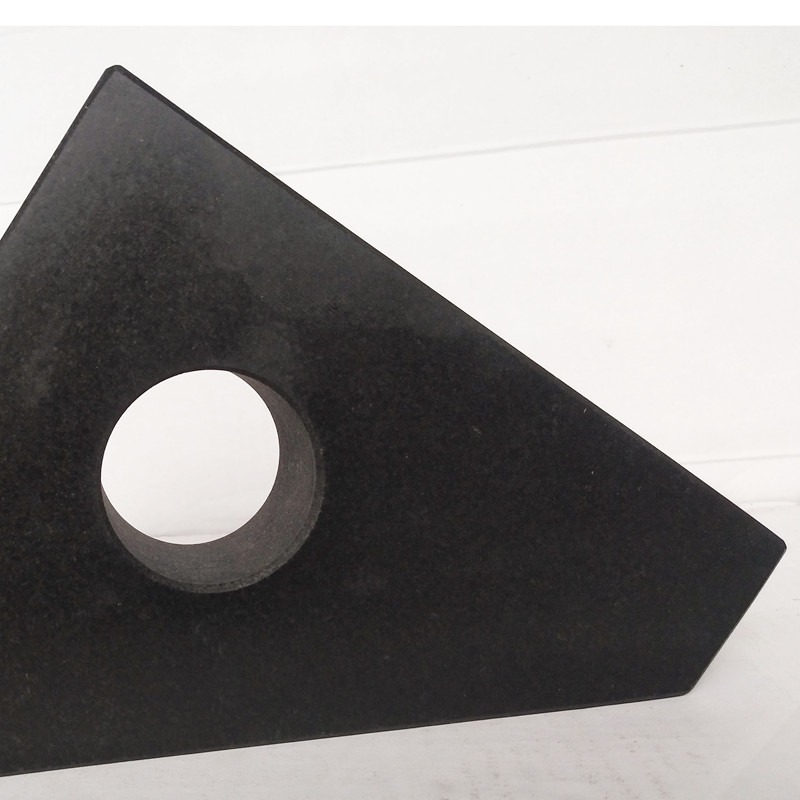
Understanding Magnetic V Blocks Size and Standards Magnetic V blocks are essential tools in various machining and mechanical engineering applications. These devices secure workpieces during processes such as grinding, milling, or cutting, providing stability and precision. The design of V blocks, characterized by their triangular grooves (the V shape), allows them to hold cylindrical or elongated materials effectively. However, their functionality hinges on an important factor size. This article explores the significance of magnetic V block size and the standards related to their use. The Importance of Size The size of a magnetic V block is vital for its effectiveness. A well-sized V block ensures that it can grip the workpiece securely without any slippage, which is crucial for achieving precision in machining processes. When selecting the size, engineers must consider both the dimensions of the workpiece and the specifications of the machine being used. A standard V block typically features dimensions that cater to various workpiece sizes, but variations are available for specific applications. For instance, standard sizes might range from small blocks designed for intricate components to larger blocks capable of holding heavier and more substantial items. Using a V block that is too small can lead to insufficient support, resulting in vibrations or movement during machining, which may compromise the quality of the finished product. Conversely, a block that is too large may be cumbersome, making it difficult to align and operate with precision. Magnetic Features magnetic v block size and standard The magnetic component of the V block is another critical aspect of its design. Most magnetic V blocks come with a powerful magnetic base that allows for strong adhesion to ferrous surfaces. This magnetic feature is especially beneficial in setups where traditional clamping methods may not be feasible. The magnet can be activated or deactivated with a simple switch, allowing for quick adjustments and repositioning of the workpiece. The effectiveness of the magnet can also depend on the size of the V block. A larger block typically has a larger surface area to accommodate magnets, leading to increased holding power. This is particularly important in applications requiring stability during high-speed machining processes where even the slightest movement can result in errors. Industry Standards The manufacturing and use of magnetic V blocks are subject to various industry standards to ensure quality and reliability. Some of these standards are established by organizations such as the American National Standards Institute (ANSI), the International Organization for Standardization (ISO), and other industry-specific governing bodies. These standards define the criteria for dimensions, material specifications, magnetic strength, and overall safety. When choosing a magnetic V block, it is essential to select one that adheres to these established standards. This ensures not only the tool's performance but also its compatibility with other equipment and components used in machining environments. Conclusion In summary, the size and standards of magnetic V blocks play pivotal roles in their effectiveness within machining and engineering processes. Selecting the appropriate size ensures that workpieces are securely held, promoting precision and safety during operations. The magnetic capabilities enhance the versatility of these tools, providing significant advantages over traditional clamping methods. Adhering to industry standards ensures that the blocks meet quality expectations and perform reliably across various applications. As industries continue to evolve and demand greater precision, the significance of understanding magnetic V block size and standards will only grow, making this knowledge indispensable for professionals in the field.
about
buy frosted glass
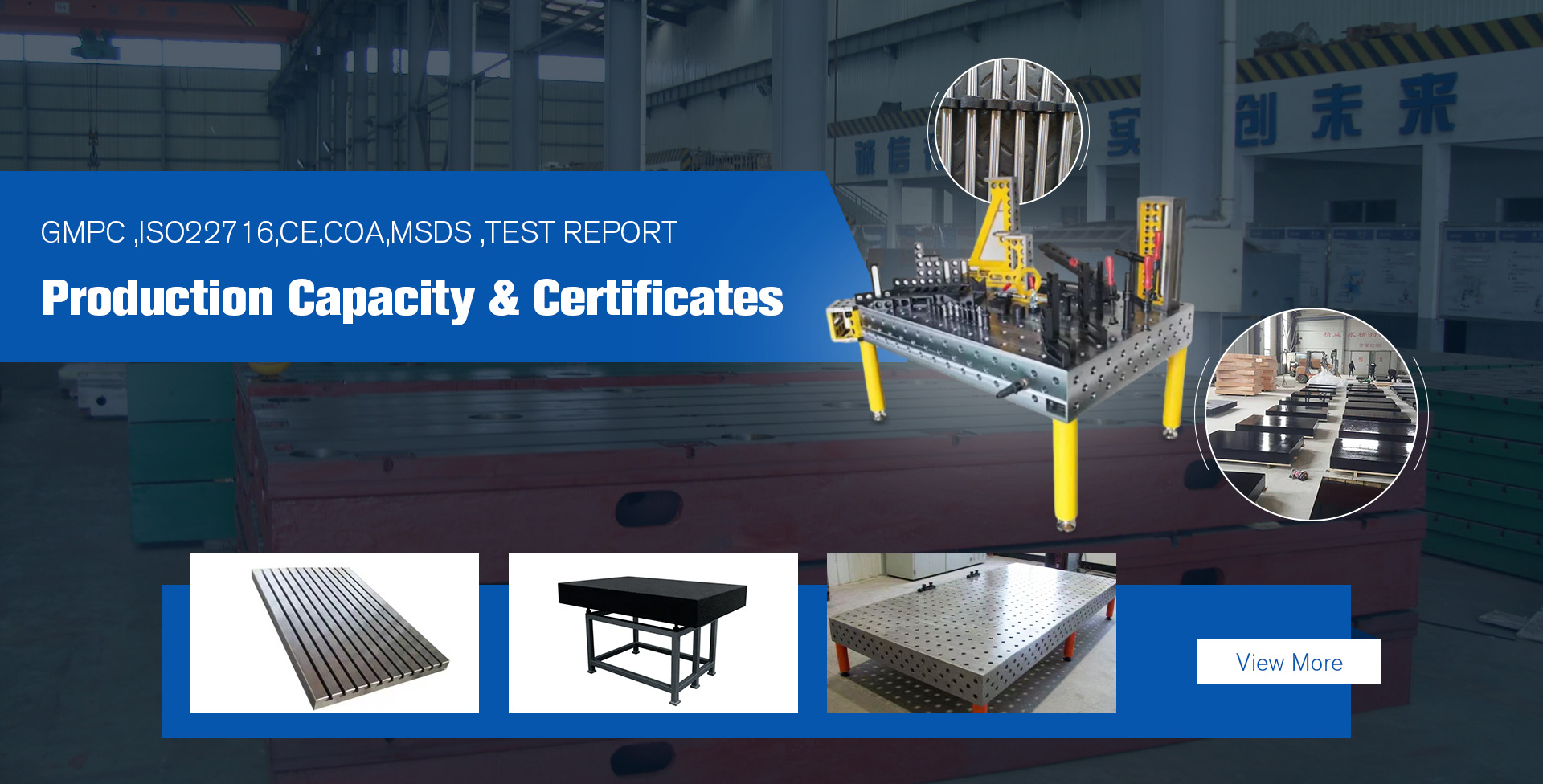
Understanding Precision Granite Surface Plates An Essential Tool for Quality Control In the realm of manufacturing and engineering, precision measurements are crucial for ensuring product quality and performance. Among the various tools used for these measurements, precision granite surface plates stand out as essential instruments that provide a flat, stable working surface ideal for various applications. This article delves into the significance of granite surface plates, their characteristics, applications, and maintenance practices. What is a Precision Granite Surface Plate? A precision granite surface plate is a flat, smooth slab made from natural granite, which is used as a reference plane for measuring, inspecting, and aligning various mechanical components. The surface of the plate is ground and lapped to achieve an extraordinary level of flatness—often within thousandths of an inch. This high degree of accuracy is vital in calibration and measurement tasks, making granite surface plates a preferred choice in laboratories and manufacturing settings. Characteristics of Granite Surface Plates Granite is favored for surface plates due to its inherent properties, which include 1. Stability Granite is a dense, hard material that does not warp or distort over time, ensuring long-lasting accuracy. 2. Non-conductive Unlike metal plates, granite does not conduct electricity, making it safer for use in various environments, including those involving electronic components. 3. Corrosion Resistance Granite is resistant to scratches, chemicals, and heat, which helps maintain the integrity of the measuring surface even in demanding conditions. 4. Self-Damping Properties The natural characteristics of granite help to damp vibrations, resulting in more stable measurements. These features contribute to the reliability and precision of measurements taken on granite surface plates . Applications of Precision Granite Surface Plates precision granite surface plate Granite surface plates are utilized in a wide array of applications, including - Inspection and Quality Control They provide a reference plane for inspecting machined parts to ensure they meet specified tolerances and dimensions. - CMM (Coordinate Measuring Machines) Surface plates are often used in conjunction with CMMs, providing a stable base for scanning and measuring components accurately. - Setup for Machining Operations Engineers and machinists use granite plates to set up workpieces and fixtures, ensuring that they are aligned correctly before production. - Assembly In assembly processes, granite plates serve as flat surfaces for accurately placing multiple components for assembly. Due to their versatility, granite surface plates find applications in diverse industries, including aerospace, automotive, electronics, and precision engineering. Maintenance of Granite Surface Plates To extend the lifespan and maintain the precision of granite surface plates, proper care is essential. Here are some key maintenance tips 1. Cleaning Regularly clean the surface with a soft cloth and a mild soap solution to remove dust and debris. Avoid abrasive cleaners that could scratch the surface. 2. Avoid Contaminants Keep the surface free from oils, grease, and substances that could alter the flatness and integrity of the granite. 3. Proper Handling Always lift and transport the surface plate by its edges using appropriate techniques to prevent any drops or impacts that could cause chipping or cracking. 4. Calibration Checks Periodically check the flatness of the plate using precision leveling devices to ensure it remains within specification. Conclusion Precision granite surface plates are invaluable tools in the domains of measurement and quality control. Their inherent properties afford accuracy, stability, and resilience that are paramount in high-stakes environments where precision is non-negotiable. By leveraging the benefits of granite surface plates and adhering to sound maintenance practices, manufacturers can significantly enhance their operational efficiency and product quality. As industries continue to evolve and demand greater precision, the role of granite surface plates will undoubtedly remain central to effective manufacturing practices.
-

High quality industrial productsagement

High quality industrial products
View Details -

Meet the diverse needs of customers

Meet the diverse needs of customers
View Details -

Strict quality control

Strict quality control
View Details -

Top raw materials

Top raw materials
View Details -

Trusted supplier

Trusted supplier
View Details
Our application

news and information
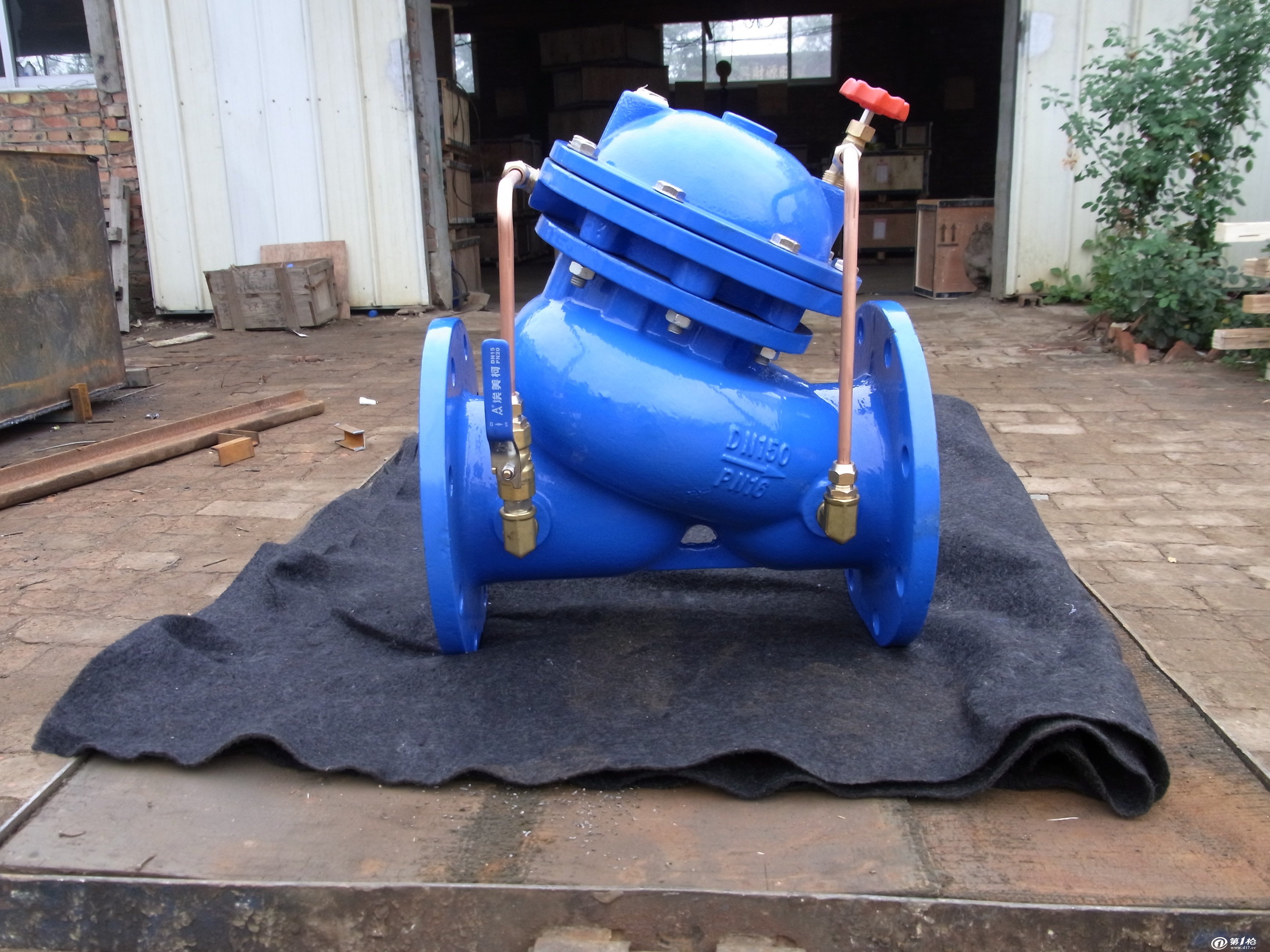
water globe valve
Understanding Water Globe Valves Design, Function, and Applications Water globe valves are essential
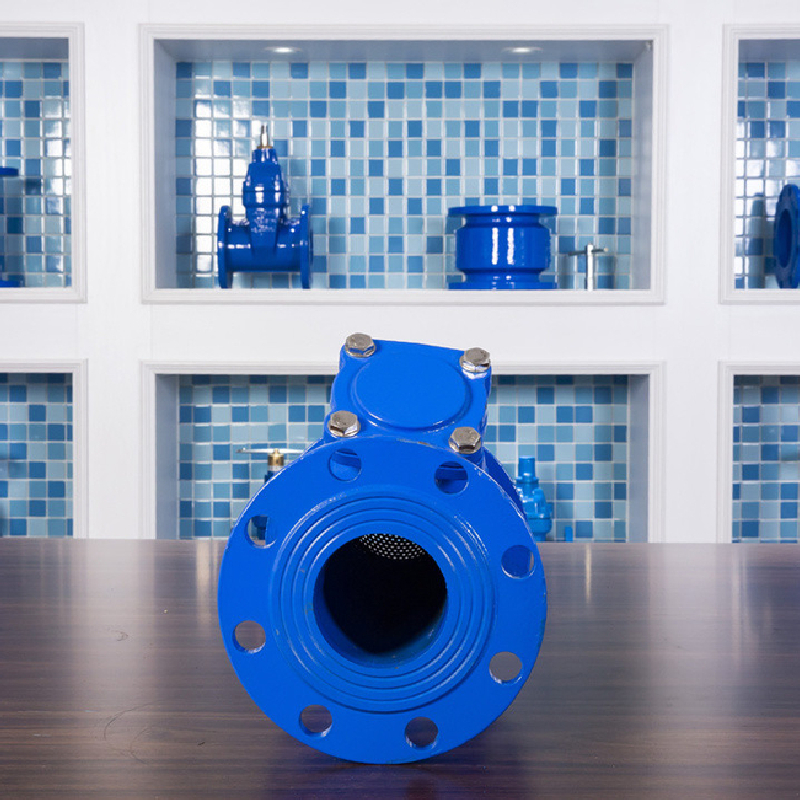
Vanne de contrôle à boule de 4 pouces
La vanne à clapet de 4 pouces un élément essentiel pour la régulation des fluides La vanne à clapet
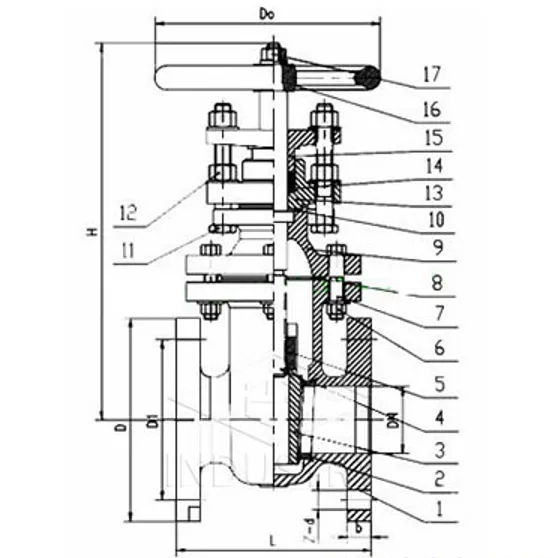
Water gate valve price
In the complex landscape of water management and distribution systems, the water gate valve holds a
 English